
Views: 0 Author: Site Editor Publish Time: 2026-05-15 Origin: Site


A blocked sink disrupts morning routines immediately. You wash your hands or brush your teeth, and stagnant water pools in the basin. This murky water acts as a glaring signal of an underlying plumbing failure. When faced with a stubborn blockage, your first instinct might be to reach for a commercial liquid cleaner under the cabinet. You should avoid this high-risk mistake entirely. Harsh chemical liquids fail to clear solid blockages like matted human hair. Over time, they corrode essential plumbing infrastructure and pose severe safety hazards to your household.
Our objective is to provide a tiered, mechanical, and environmentally safe approach to restore flow to any drain for bathroom fixtures. By strictly following these progressive troubleshooting steps, you will eliminate clogs safely. You will minimize your total cost of ownership. You will also successfully avoid expensive emergency plumber call-outs.
Mechanical Over Chemical: Chemical reactions (including popular DIY mixtures) cannot dissolve hair; physical extraction is the only definitive solution for bathroom sink drains.
Material Risks: Improper thermal methods (like boiling water) can permanently crack porcelain sinks or warp PVC pipes.
Tool Quality Matters: Utilizing cheap plastic tools carries a high risk of snapping inside the wall pipe; professional-grade tools like a stainless steel drain auger reduce implementation risk.
Escalation Framework: Troubleshooting must follow a strict gradient of difficulty, starting with thermal softening and escalating to full P-Trap disassembly.
Difficulty Level: Beginner to Intermediate
Estimated Time: 15 minutes to 2 hours
Safety Disclaimer: While these mechanical and natural methods are safe for standard plumbing, DIY repairs carry inherent risks. Improper tool usage may alter building code compliance or cause damage. Proceed carefully and at your own risk.
Walk down any hardware store aisle, and you will see shelves lined with brightly colored liquid drain cleaners. These products rely heavily on caustic chemical compositions. They predominantly contain sodium hydroxide (lye), sodium hypochlorite (bleach), or concentrated sulfuric acid. Manufacturers design these formulas to generate intense chemical reactions. These reactions aim to burn through clogs quickly. However, this aggressive approach introduces significant collateral damage to your home.
Pouring corrosive liquids down your drains initiates a violent exothermic reaction. This chemical process generates severe heat inside your plumbing system. Standard residential PVC pipes easily warp or melt when subjected to this intense thermal stress. The heat degrades the chemical glue holding your pipe joints together. If your home features older metal pipes, acid-based cleaners actively eat away at the interior walls. This degradation leads to microscopic pitting. Pitting eventually causes catastrophic hidden wall leaks. Fixing these chemically induced leaks often costs thousands of dollars in drywall repair and plumbing replacement.
Beyond massive property damage, liquid cleaners pose severe health hazards. They release toxic, noxious fumes that linger in enclosed bathroom spaces. Inhaling these fumes damages sensitive respiratory tissue. When you pour heavy liquids into standing water, you risk hazardous chemical backsplashes. A single drop can cause severe chemical burns to your eyes or exposed skin. Flushing gallons of lye and acid into the municipal sewer system also carries a heavy environmental toll. It disrupts the delicate biological balance at local water treatment facilities.
Before executing any repair, you must understand the three primary zones of your plumbing infrastructure. This knowledge dictates which tools you deploy. First is the pop-up stopper assembly at the surface level. This mechanism catches daily debris directly below the basin. Second is the P-Trap. This is the curved, U-shaped pipe located directly beneath the sink inside your cabinet. It holds a water barrier to block sewer gases. Finally, the wall pipe serves as the deep branch line. It carries wastewater horizontally into the main vertical sewer stack behind your drywall.
| Plumbing Zone | Primary Function | Common Blockage Type |
Pop-Up Stopper | Controls water retention in the basin. | Tangled surface hair and thick toothpaste residue. |
P-Trap | Blocks toxic sewer gases from entering the home. | Heavy sludge, dropped jewelry, and makeup buildup. |
Wall Pipe | Transports wastewater to the main sewer line. | Hardened mineral deposits and deep biological mats. |
Bathroom blockages differ vastly from kitchen sink blockages. Kitchens battle grease and dense food waste. Bathrooms face a unique triad of organic materials. Human hair sheds daily into the basin during brushing. Beard hairs from shaving directly over the sink create dense, sand-like barriers inside the pipes. Lipid-based soap scum and thick makeup residue act as glue. They bind these loose hairs together into an impenetrable, sticky mat.
You can accurately estimate where the blockage lives by observing how quickly the water backs up. Turn on the faucet and watch the basin. If the water pools immediately within two seconds, the clog is trapped at the pop-up stopper. If the sink drains normally for ten seconds before backing up, the blockage resides deeper inside the P-Trap. If it takes thirty seconds to back up, the clog lives far away inside the main wall pipe.
Working on plumbing requires a clean, highly accessible environment. You must prepare the area to prevent peripheral damage. Start by clearing all cleaning supplies, toilet paper, and toiletries out of the vanity cabinet beneath the sink. You need completely unobstructed access to the pipes. Next, bail out the standing, murky water from the basin. Use a small plastic cup to scoop the water into a separate bucket. Remove as much liquid as possible to fully expose the opening. This step prevents dirty water from splashing onto your clothes and walls once you begin the mechanical extraction process.
Assemble your non-chemical toolkit before dismantling any parts. Having tools staged prevents you from walking away during an active leak.
A medium-sized bucket to catch dirty trap water.
Several dry utility towels for spills.
A standard flathead screwdriver.
A pair of channel lock pliers for gripping stubborn pipe fittings.
Barbed plastic extraction strips, commonly sold as a Drain Weasel or Zip-It tool.
A standard cup plunger for hydraulic pressure.
Preparation directly dictates project success. Skipping this setup phase drastically increases the risk of water damage to your expensive bathroom vanities. Placing thick towels under the sink and having a bucket ready ensures any sudden leaks are safely caught. Proper staging prevents a minor plumbing chore from escalating into a costly cabinet replacement.
When dealing with slow-moving bathroom sink drains, start with gentle surfactants. Squeeze a heavy, quarter-cup dose of liquid dish soap directly into the opening. Allow it to coat the pipe walls for ten full minutes. Dish soap contains active surfactants specifically formulated to break down lipid-based soap scum and makeup oils. Flush the system with steady hot tap water. This washes away the newly dissolved greasy binders holding the clog together.
If soap alone fails, introduce a gentle physical abrasive. Pour a half-cup of coarse rock salt directly down the opening. Follow this immediately with hot tap water. The coarse salt crystals act as a heavy physical abrasive. As they wash down the pipe, they scrape aggressively against the interior walls. This action dislodges soft buildup without relying on harsh industrial chemicals.
Many online guides recklessly recommend pouring boiling water down a clogged sink. You must avoid actively boiling water entirely. Standard residential PVC pipe joints cannot withstand temperatures reaching 212°F. Boiling water literally melts the PVC cement holding the joints together. It warps the plastic connections, causing immediate leaks behind your walls. Pouring boiling water into a cold porcelain sink causes rapid thermal shock. This sudden expansion instantly cracks the delicate basin. Always use standard hot tap water instead.
Social media frequently champions baking soda and vinegar as a miracle plumbing cure. Master plumbers universally challenge this ubiquitous advice. Mixing these two household ingredients creates an impressive, satisfying fizz. The resulting chemical reaction yields only water, salt, and carbon dioxide gas. This leftover mixture completely lacks the acidic strength or mechanical force to dissolve keratin. It does absolutely nothing for matted human hair trapped inside your plumbing system.
This mixture is not entirely useless if applied strictly for minor, surface-level soap scum. To harness its limited power, you must force the expanding gas downward. Pour a half-cup of baking soda into the opening. Add one cup of white vinegar. Immediately plug the opening with a stopper or a heavy wet towel. Leave it sealed tightly for 20 minutes. This traps the carbon dioxide gas, pushing the air pressure down against the soft blockage. Finish the process with a thorough hot water flush.
You can skip the useless fizzing reaction by utilizing a dry scrub method instead. Mix baking soda and coarse salt together without adding any liquid vinegar. Pour this dry powder down the sink opening. Let it sit completely dry for several hours. This acts as a non-bubbling abrasive. It slowly dehydrates and breaks down the slimy surface scum clinging to the upper pipe walls.
If you prefer a pour-and-wait solution, bio-enzymatic drain cleaners serve as the true non-chemical alternative. These professional formulas contain natural bacteria and active enzymes. Once introduced into the pipes, these organisms actively digest protein, fat, and toothpaste buildup. They clear organic matter safely over 24 hours. They achieve this without generating destructive heat or damaging fragile pipe joints.
When transitioning to physical pressure, most homeowners plunge incorrectly. They fail to seal the sink's overflow hole. The overflow hole is the small safety opening located near the top rim of the basin. If left unblocked, plunging simply pushes air out of this upper hole rather than forcing it down the pipe. You must block this hole tightly with a wet rag or duct tape. This establishes a true hydraulic vacuum environment.
Double-vanity sinks present a unique hydraulic challenge. The two separate basins share a single underlying drain line. If you plunge one side without sealing the other, the air pressure immediately escapes backward through the second sink. You must place a wet cloth or a rubber stopper tightly over the secondary basin opening. Hold it down firmly to trap the hydraulic pressure completely during plunging.
Effective plunging relies entirely on water displacement, not just pushing air. Ensure there is at least one inch of standing water in the basin. This water forms a hydraulic seal around the rubber plunger bell. Place the plunger squarely over the opening. Execute 15 seconds of vigorous, rhythmic vertical pumping. Keep the rubber seal unbroken against the porcelain. The rapid push-and-pull motion successfully dislodges matted hair blockages deeper in the line.
A wet-dry shop vacuum provides massive suction power for stubborn, dense clogs. First, ensure you switch the machine safely to liquid mode. You must remove the dry paper filter to prevent ruining the motor. Press the vacuum hose firmly against the sink opening to form a tight, airtight seal. Use a rapid pulse technique. Turn the vacuum power on and off in short, two-second bursts. This abrupt change in pressure forcefully yanks trapped hair and debris upward into the canister.
Hair predominantly tangles directly around the sink stopper stem. To extract it, you must systematically dismantle the assembly.
Clear out the cabinet and position yourself underneath the sink basin.
Locate the horizontal metal pivot rod extending from the back of the vertical tailpiece.
Squeeze the metal spring clip holding the rod in place.
Slide the rod backward out from the vertical perforated clevis strap.
Unscrew the plastic retaining nut securing the rod to the pipe.
Pull the pivot rod completely out of the pipe fitting.
Stand up and easily lift the stopper out from above the basin.
Do not wash the freshly removed stopper in the sink you are currently repairing. With the pivot rod removed, a gaping hole exists in the back of the pipe beneath the basin. Turning on the faucet will send water pouring directly out of this open hole. It will instantly flood your vanity cabinet and ruin the wood. Always wash the dirty stopper in a separate bathroom or kitchen sink.
With the stopper removed, deploy a barbed plastic wand. Tools like a Zip-It or Drain Weasel feature hundreds of tiny, aggressive plastic hooks. Slide the flexible wand straight down the open pipe. Twist the handle three full times, and pull it straight up. The barbs efficiently grab and extract massive clumps of matted hair and black sludge. These inexpensive tools are highly flexible and completely safe for all pipe materials.
Many people attempt to use a modified wire coat hanger bent into a hook shape. This carries massive risks. Pushing stiff metal blindly into a pipe often compacts the blockage further. It turns a loose tangle into an impenetrable wall. Scraping stiff metal against the inside of older brass or copper pipes causes severe internal scoring. These deep scratches thin the pipe walls and inevitably lead to microscopic pinhole leaks.
If extracting hair from the surface fails, the blockage sits deep inside the P-Trap. Place a heavy bucket directly underneath the curved pipe to catch the spill. Locate the two slip nuts securing the trap to the wall and tailpiece. Turn them counterclockwise to loosen them. You can usually do this by hand, but channel lock pliers provide leverage for stubborn nuts. Pull the trap straight down and away. Empty the foul-smelling sludge directly into your bucket. Take the trap to another sink and physically wash it out until it is completely clean.
With the P-Trap completely removed, you now have direct horizontal access to the wall pipe. This is where you deploy a manual cable auger. Feed the metal cable directly into the open wall pipe until you feel firm, physical resistance. Lock the cable securely in place using the thumb screw. Rotate the handle clockwise while applying steady forward pressure. The corkscrew tip will bite into the hidden clog, wrapping the hair around the steel. Pull the cable back out of the wall to retrieve the mass.
Never compromise on auger quality. You must purchase a high-quality stainless steel snake. Cheap, thin plastic alternatives frequently snap off deep inside the plumbing when twisted against heavy resistance. If a plastic tool breaks off inside your wall pipe, you cannot extract it mechanically. This mechanical failure forces disastrous, costly drywall tear-downs and professional pipe replacement.
Prevention completely eliminates the need for future plumbing interventions. Adopt simple weekly habits to protect your pipes. Stop rinsing heavy beard trimmings down the sink. Instead, lay a paper towel over the basin during shaving and shake the trimmings into the trash can. Utilize cheap silicone mesh catchers over the opening. Make it a strict daily habit to pull visible hair strands from the surface of the stopper before water washes them downward.
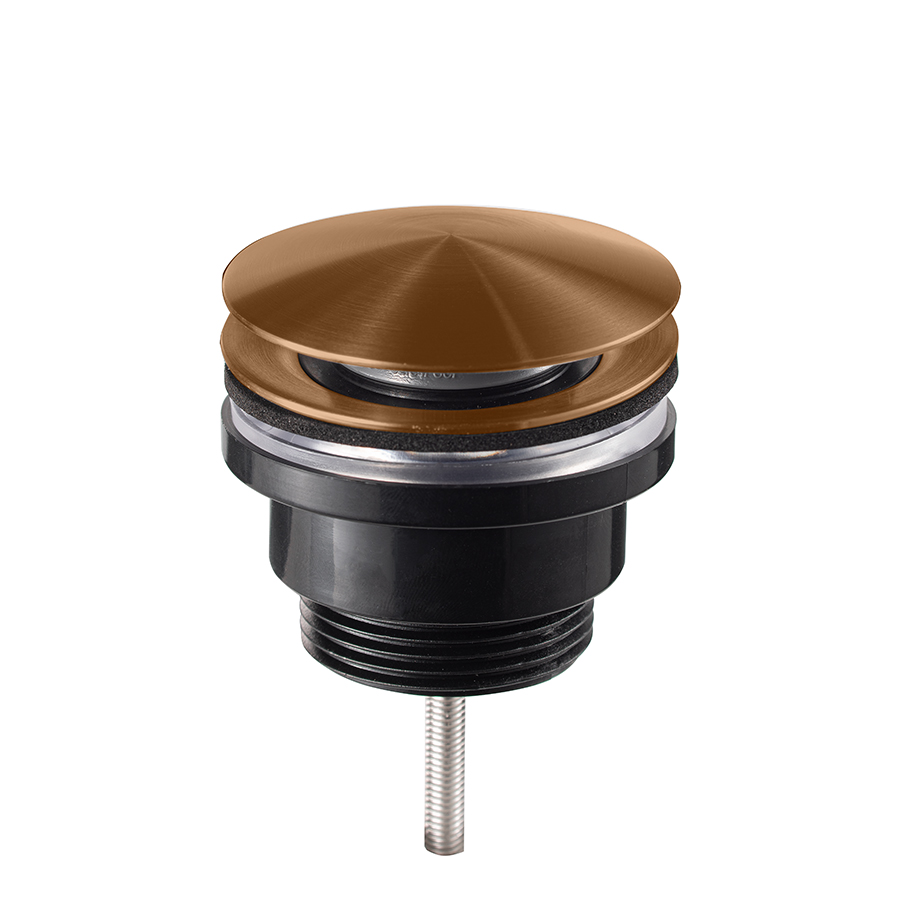
Factory-installed plumbing fixtures utilize cheap plated brass or fragile plastics. These materials quickly pit, degrade, and grab debris. Consider the high return on investment of replacing the entire assembly with a premium stainless steel drain. A modern stainless steel bathroom drain naturally resists chemical pitting and corrosion. It features incredibly smooth internal walls that actively deter hair and lipid accumulation.
Understanding when to tackle the job yourself versus calling a professional saves you both significant time and money. Below is a breakdown comparing a mechanical DIY approach against hiring a licensed professional plumber.
| Evaluation Factor | DIY Mechanical Extraction | Hiring a Professional Plumber |
Financial Cost | $15 – $40 (Barbed wands, plunger, manual auger) | $100 – $250+ (Base call-out fee and hourly labor) |
Time Investment | 15 minutes to 2 hours of direct labor | Waiting hours or days for an available appointment |
Safety & Risk | Safe if using proper non-chemical tools; low risk of pipe damage. | Zero risk to homeowner; work is fully insured and guaranteed. |
Equipment Quality | Basic hand tools and manual snakes | Motorized augers and hydro-jetting capabilities |
Establish clear failure criteria before you begin dismantling pipes. If you successfully dismantle and clean the P-Trap, fully extend your manual auger into the wall pipe, reassemble the system perfectly, and the sink still refuses to drain, stop immediately. The blockage lives deep within the main household branch line or the central sewer stack. At this stage, manual tools are completely useless. You require professional, motorized equipment to safely clear the municipal line.
Always follow a logical escalation path when troubleshooting. We recommend starting with hot tap water, coarse salt, and dish soap to dissolve basic lipids. Move to proper, sealed plunging techniques to handle moderate pressure requirements. When those initial steps fail, default directly to manual hair extraction via the pop-up stopper before attempting any deep-pipe disassembly.
Evaluate exactly how fast your sink backs up to pinpoint the clog location.
Clear all items from your vanity cabinet to establish a safe workspace.
Bail out all standing water from the basin using a small plastic cup.
Attempt thermal and surfactant methods using hot tap water and liquid dish soap.
Physically remove the pop-up stopper to extract trapped hair with a barbed wand.
A: No. Baking soda and vinegar create a visual reaction but lack the chemical ability to dissolve keratin. Human hair requires physical mechanical removal or professional bio-enzymatic cleaners. Vinegar and baking soda only handle minor surface soap scum. They do not clear solid blockages.
A: Yes. Standard residential PVC pipes have a strict thermal limit near 140°F. Pouring actively boiling water directly into the plumbing causes plastic joints to warp and leak. It creates extreme thermal shock. This sudden temperature shift instantly cracks cold porcelain sinks. Always use hot tap water instead.
A: You must physically block the secondary opening and all overflow holes with heavy wet cloths. If you fail to seal these alternate escape routes, the air pressure simply vents outward. Maintaining a strict vacuum ensures the generated pressure pushes forcefully down against the deep clog.
A: Slow flow indicates a gradual buildup of sticky biofilm, toothpaste residue, makeup lipids, and beard hair. This buildup creates a highly restricted internal channel. Water still passes through, but at a severely reduced volume. This slow drainage acts as an early warning for an impending complete blockage.
A: Yes. Upgrading provides excellent longevity and extreme corrosion resistance compared to standard plastic or plated brass factory parts. The exceptionally smooth internal walls actively prevent hair and sticky soap scum from anchoring. This simple hardware upgrade massively reduces your future plumbing maintenance requirements.
A: Yes. Remove the dry filter and set the vacuum to liquid mode. Seal the hose completely over the opening. Turn the vacuum power on and off rapidly. This technique creates a pulsing suction effect. It safely dislodges stubborn clogs upward without pushing them deeper into the wall.


